The Outdoorsmen's Guide to Climate Change
  • Home
  • About
  • Policy Priorities
    • 30 x 30
    • Carbon Markets
    • Fisheries
    • Forest Management Practices
    • Prescribed Fire
    • Recovering America's Wildlife Act
    • Habitat Connectivity
    • Working Lands Conservation Programs and Practices
  • Full Climate Change Statement
  • Contact

Habitat Connectivity

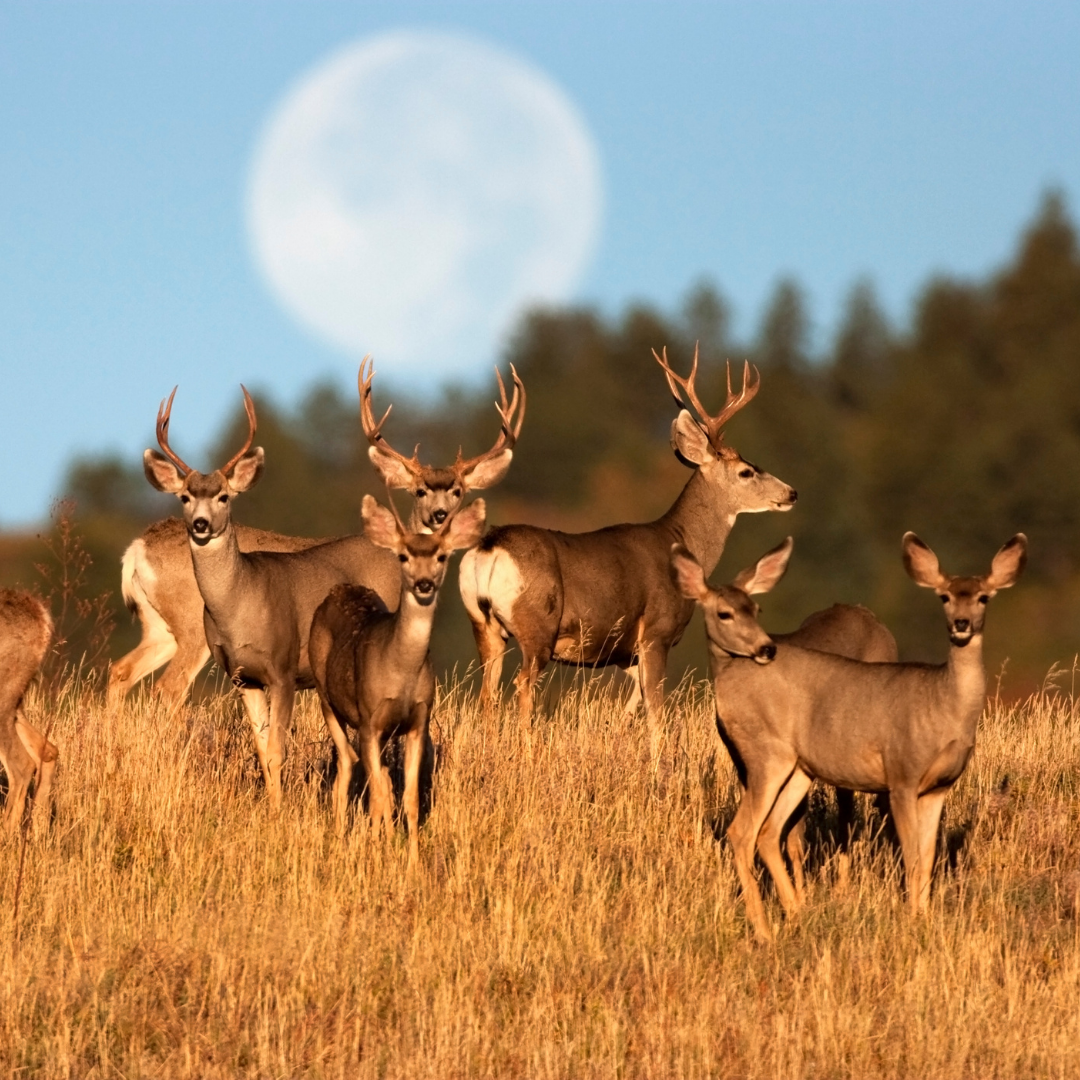
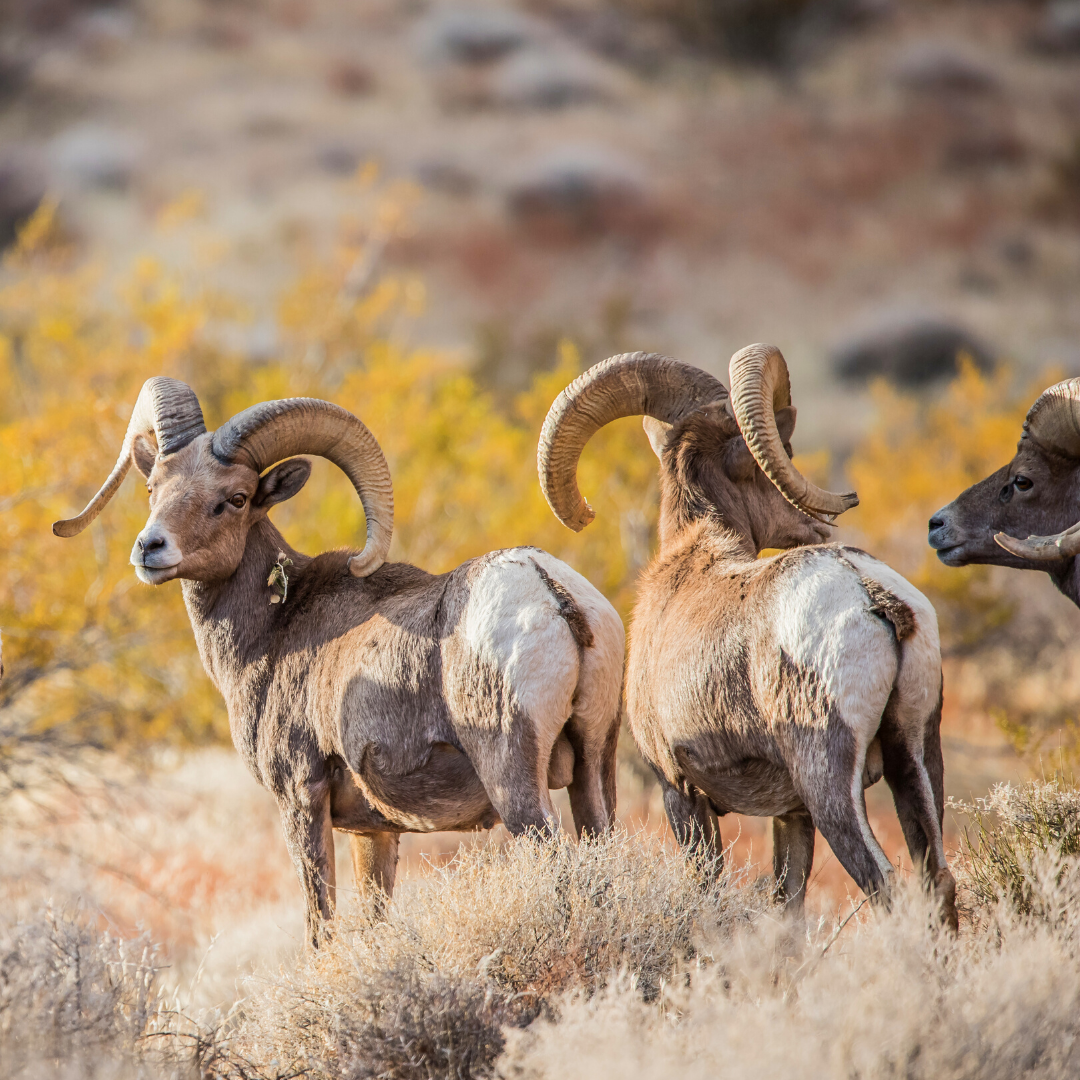
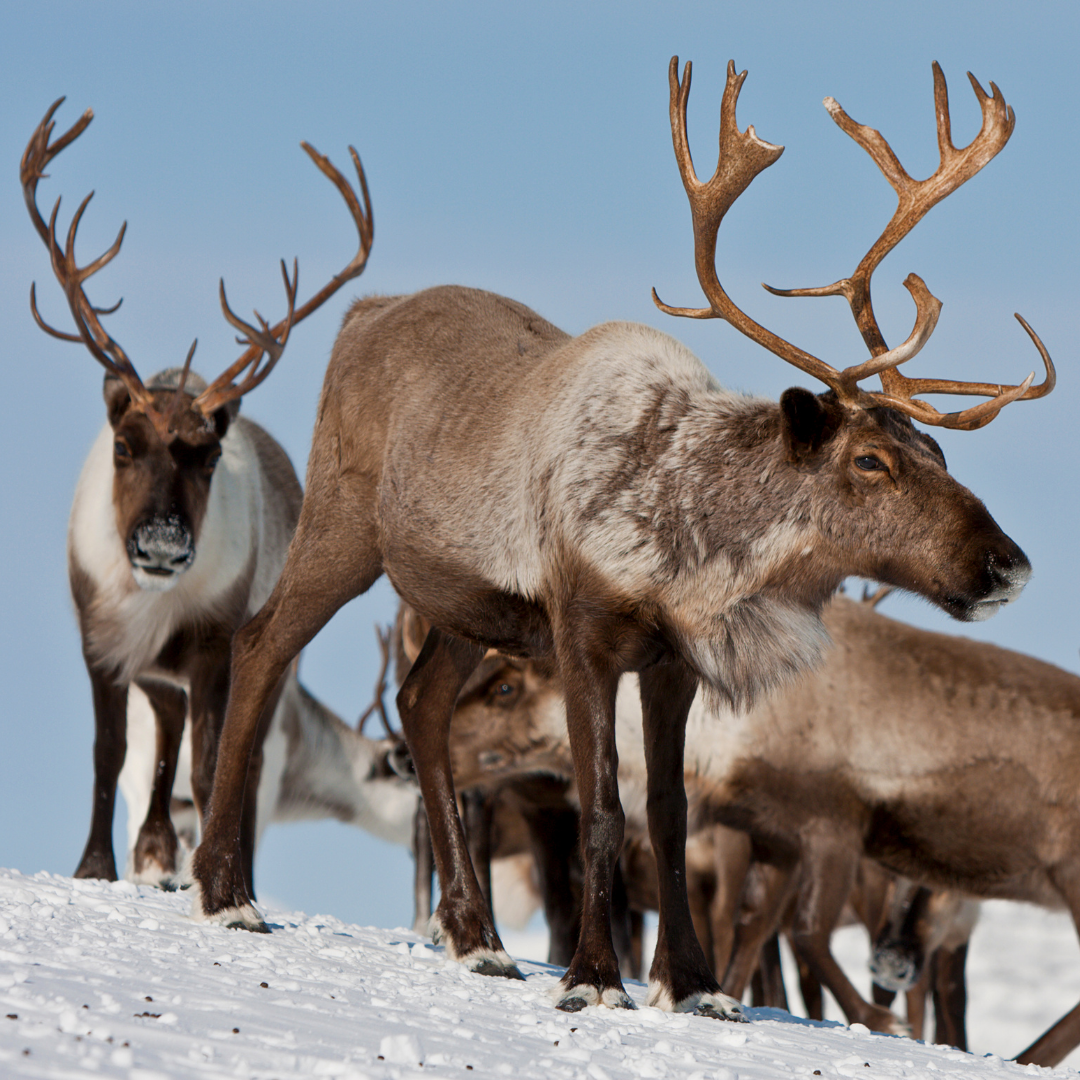
Among terrestrial and aquatic ecosystems, species facing arguably the greatest threats related to the effects of climate change are those that are required to migrate to meet all life history requirements. For sportsmen and women, fish and game species like mule deer, bighorn sheep, caribou, salmon, sturgeon, and others come to mind. While the effects of habitat fragmentation and migratory barriers due to development, highways, and other anthropogenic disturbances have led to interest in investing in the development and management of fish and wildlife migration corridors to improve habitat connectivity, the effects of climate change across the ranges of these species have made such investments even more necessary. 
Picture
Picture
Picture
By providing adaptive and accessible routes to necessary resources, efforts focused on habitat connectivity can increase the resiliency of many of these migratory species that face some of the most significant threats associated with climate change. Recognizing this, CSF and others continue to advocate for investments in fish and wildlife migration corridor and habitat connectivity programs and projects designed to minimize these challenges for some of our nation’s most vulnerable species. ​​
Picture
  • Home
  • About
  • Policy Priorities
    • 30 x 30
    • Carbon Markets
    • Fisheries
    • Forest Management Practices
    • Prescribed Fire
    • Recovering America's Wildlife Act
    • Habitat Connectivity
    • Working Lands Conservation Programs and Practices
  • Full Climate Change Statement
  • Contact