The Outdoorsmen's Guide to Climate Change
  • Home
  • About
  • Policy Priorities
    • 30 x 30
    • Carbon Markets
    • Fisheries
    • Forest Management Practices
    • Prescribed Fire
    • Recovering America's Wildlife Act
    • Habitat Connectivity
    • Working Lands Conservation Programs and Practices
  • Full Climate Change Statement
  • Contact

Fisheries

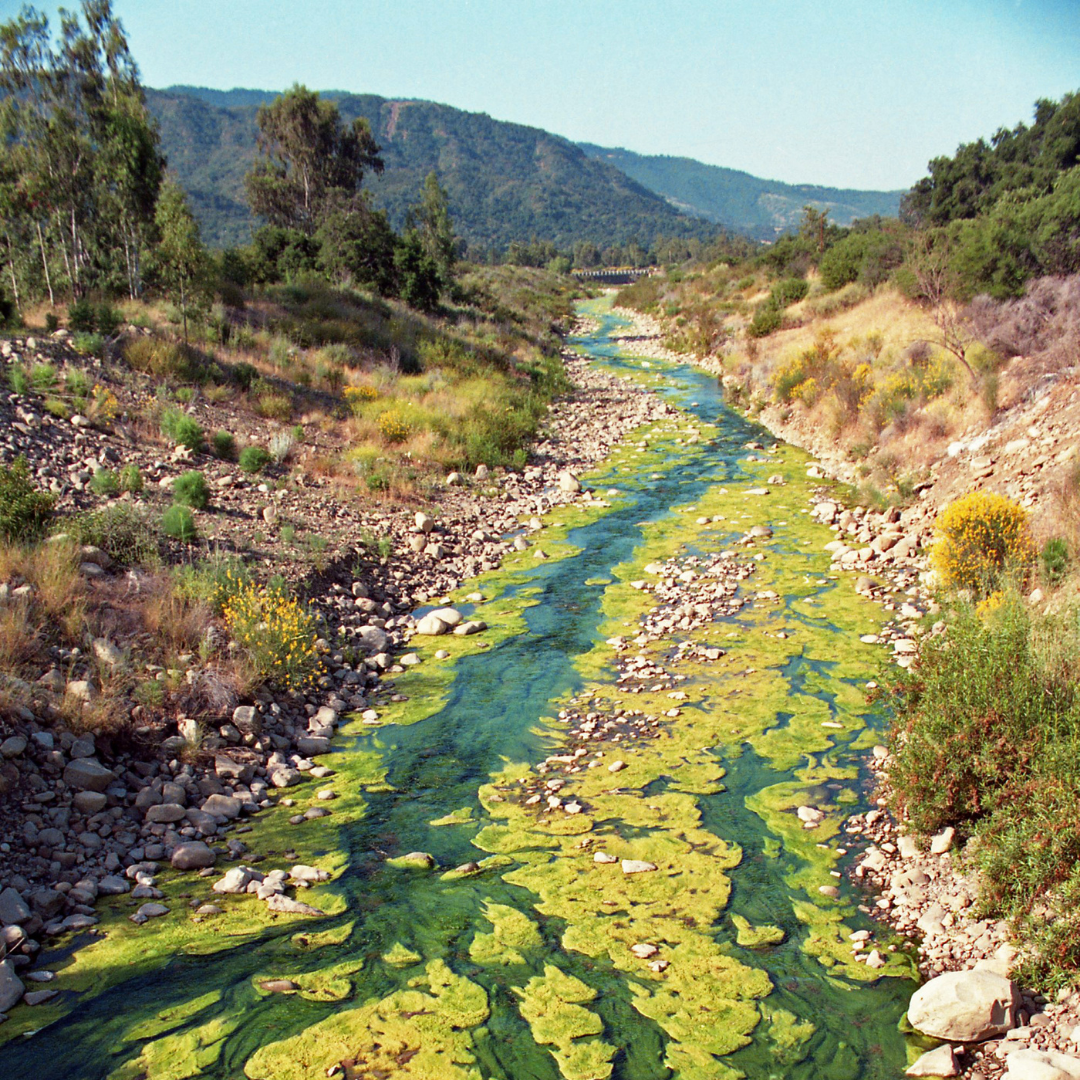
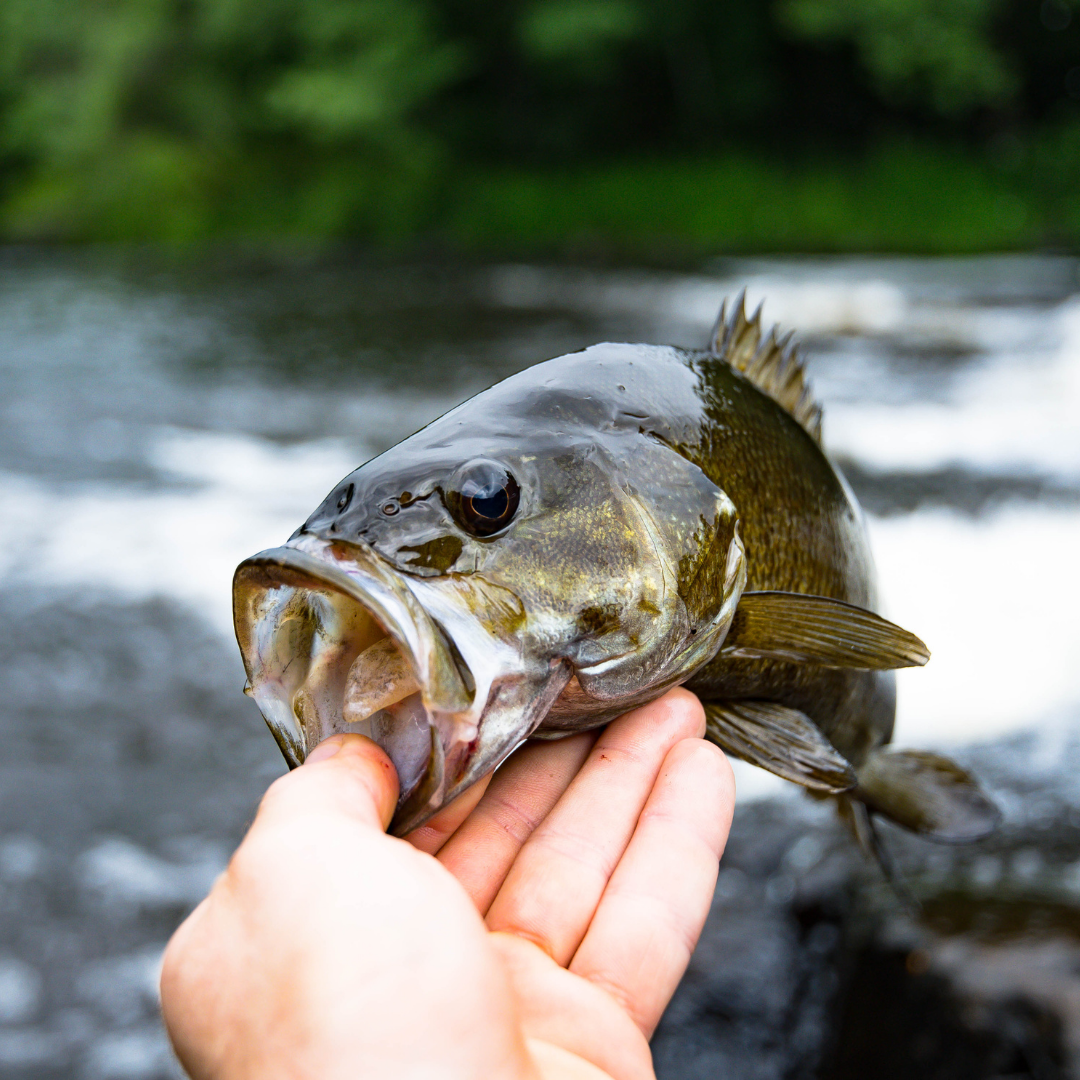
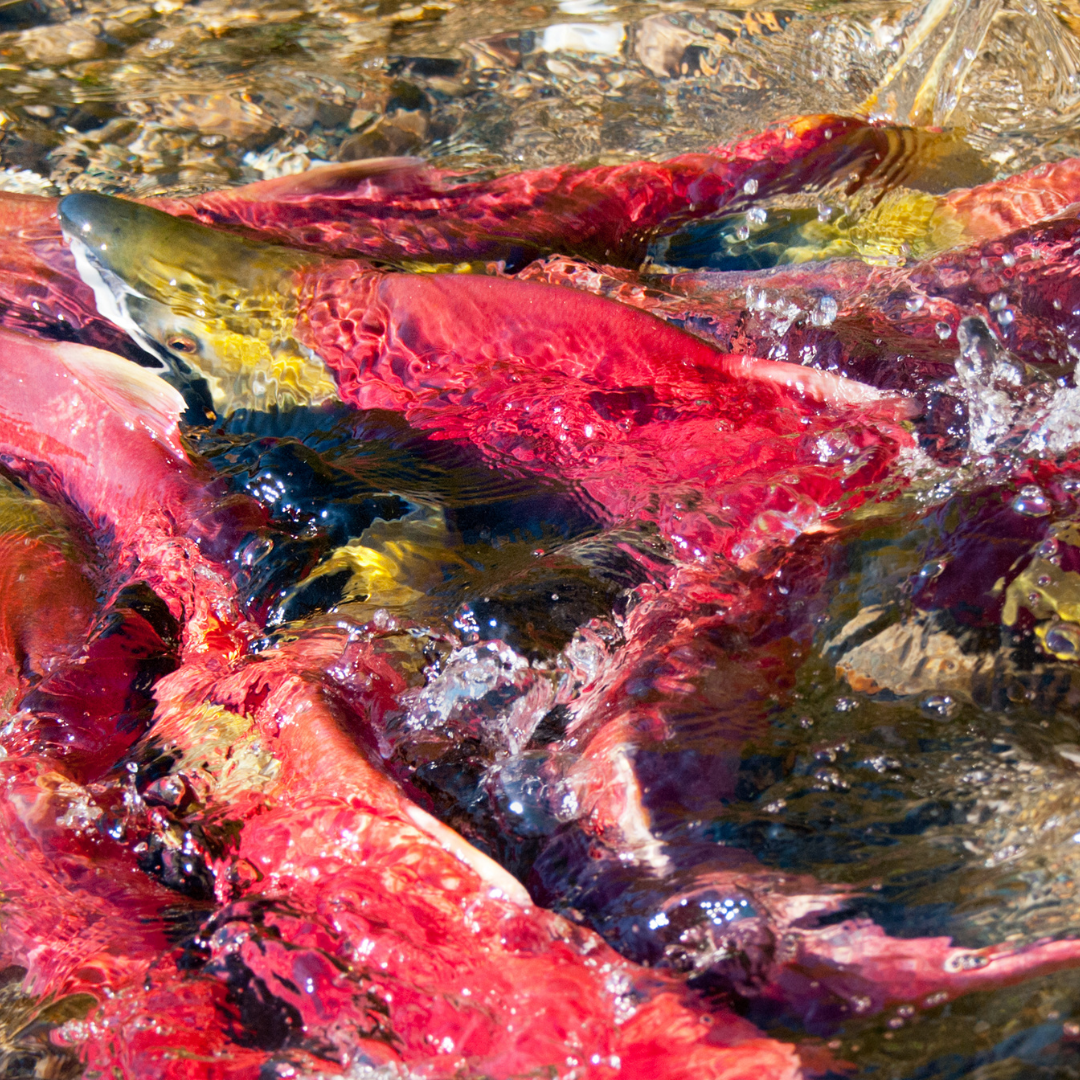
Most fish species have a relatively narrow temperature range in which they thrive, and even subtle changes can have impacts on populations. As such, there is no doubt that warmer water resulting from climate change will create management challenges for many of our recreationally important fisheries. In addition to changing water temperatures, challenges such as declining habitat due to land use changes and rising sea levels, hypoxic zones caused by nutrient runoff, and other threats are amplified by the effects of climate change. 
Picture
Picture
Picture
To ensure that our culturally and economically important fisheries resources on which many sportsmen and women depend can adapt and persist for future generations to enjoy, CSF has supported several efforts, including the National Fish Habitat Conservation Through Partnerships Act (NFHP). These efforts are designed specifically to enhance fisheries conservation efforts throughout coastal, marine, and inland freshwater systems. Enhancements realized through these efforts increase the resiliency of these fisheries in the face of challenges associated with climate change (e.g., habitat loss, increasing water temperatures, hypoxic zones, and more).
Picture
  • Home
  • About
  • Policy Priorities
    • 30 x 30
    • Carbon Markets
    • Fisheries
    • Forest Management Practices
    • Prescribed Fire
    • Recovering America's Wildlife Act
    • Habitat Connectivity
    • Working Lands Conservation Programs and Practices
  • Full Climate Change Statement
  • Contact